


The Value of Certified Home Evaluations

Buying or owning a property is a big deal. Whether you are stepping into the market for the first time or managing an existing home, understanding the condition of the property is crucial. This is where certified home evaluations come into play. They provide a clear picture of what you’re dealing with, helping you make smart decisions and avoid unexpected costs down the road.
Why Certified Home Evaluations Matter
When you think about a home, it’s more than just walls and a roof. It’s a complex system of electrical wiring, plumbing, structural elements, and more. A certified home evaluation digs deep into these components to uncover issues that might not be obvious at first glance.
Imagine buying a house only to find out later that the foundation has serious cracks or the electrical system is outdated and unsafe. These problems can be expensive to fix and may even affect your safety. A certified home evaluation helps you spot these red flags early.
Certified home evaluations are performed by trained professionals who follow strict standards. They use specialized tools and techniques to assess the property thoroughly. This means you get an unbiased, detailed report that highlights both strengths and weaknesses.

How Certified Home Evaluations Protect Your Investment
One of the biggest benefits of certified home evaluations is the protection they offer for your investment. Whether you are buying, selling, or maintaining a property, knowing its true condition helps you avoid costly surprises.
Here are some ways certified home evaluations add value:
Negotiation Power: If the evaluation reveals issues, you can negotiate repairs or price adjustments before closing a deal.
Maintenance Planning: Understanding what needs attention allows you to plan maintenance and avoid emergency repairs.
Insurance Claims Support: In case of damage, a certified evaluation can provide clear documentation to support your insurance claim.
Peace of Mind: Knowing the home’s condition reduces stress and builds confidence in your decisions.
Certified home inspection services are a key part of this process. They ensure that the evaluation is done professionally and meets industry standards, giving you reliable information to work with.
What are the 4 types of quality inspection?
When it comes to home evaluations, there are different types of inspections that focus on various aspects of the property. Understanding these can help you decide which inspection suits your needs best.
Pre-Purchase Inspection
This is the most common type. It’s done before buying a home to identify any existing problems. The inspector checks everything from the roof to the foundation, electrical systems, plumbing, and HVAC.
New Construction Inspection
For newly built homes, this inspection ensures that construction meets building codes and quality standards. It often happens at different stages of construction to catch issues early.
Maintenance Inspection
Homeowners use this type to keep track of their property’s condition over time. It helps spot wear and tear before it becomes a major problem.
Specialized Inspection
Sometimes, you need a focused inspection on a specific area, like mold, pests, or asbestos. These require experts with specialized knowledge and equipment.
Each type serves a unique purpose, but all contribute to a comprehensive understanding of a property’s health.
What to Expect During a Certified Home Evaluation
If you’ve never had a certified home evaluation before, you might wonder what the process looks like. Here’s a simple breakdown:
Scheduling the Inspection
You contact a certified professional and set a date. It’s best to be present during the inspection to ask questions and learn about the findings firsthand.
Initial Walkthrough
The inspector starts with a general walk around the property, noting visible issues and areas that need closer examination.
Detailed Examination
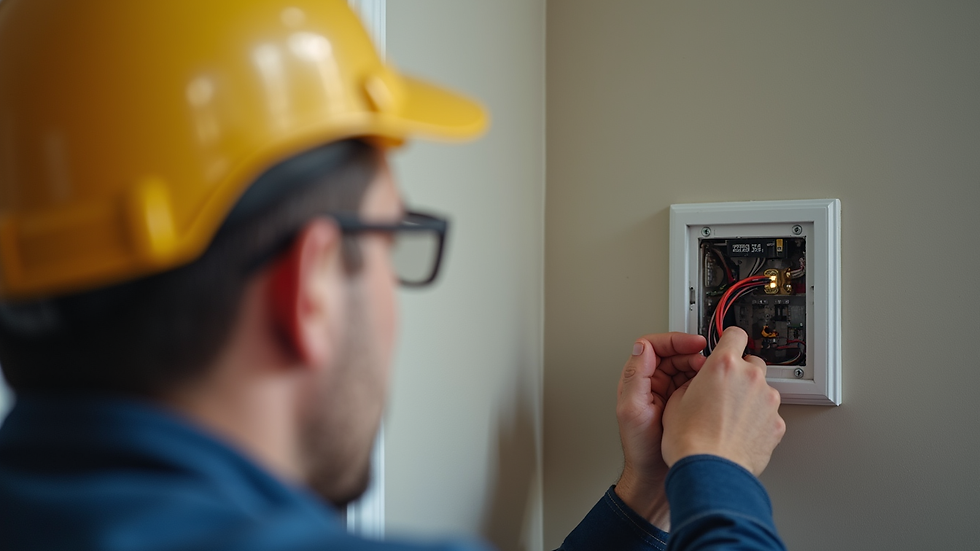
Using tools like moisture meters, thermal cameras, and electrical testers, the inspector checks structural elements, roofing, plumbing, electrical systems, heating and cooling, and more.
Report Preparation
After the inspection, you receive a detailed report. This document includes photos, descriptions of issues, and recommendations for repairs or further evaluation.
Review and Questions
A good inspector will walk you through the report, explaining what they found and what it means for you.
This process is designed to be transparent and informative, helping you feel confident about your property decisions.
How to Choose the Right Certified Home Evaluation Service
Not all home evaluations are created equal. Choosing the right service can make a big difference in the quality and usefulness of the inspection.
Here are some tips to help you pick the best:
Check Credentials: Make sure the inspector is certified by a recognized organization. Certification means they have met training and experience standards.
Look for Experience: An inspector with years of experience will have seen a wide range of issues and know what to look for.
Read Reviews: Customer feedback can give you insight into the inspector’s professionalism and thoroughness.
Ask About Tools and Techniques: Modern equipment can detect problems that might be missed otherwise.
Clarify What’s Included: Some inspections cover more than others. Make sure you understand what will be checked and what won’t.
Get a Sample Report: Reviewing a sample report can help you see how detailed and clear the findings will be.
Taking the time to choose the right service ensures you get the most value from your investment.
Taking Action After Your Home Evaluation
Once you have your evaluation report, what’s next? Here are some practical steps to take:
Prioritize Repairs
Not all issues are urgent. Focus first on safety concerns and major structural problems.
Get Quotes from Contractors
For repairs, get multiple quotes to understand costs and options.
Plan Maintenance
Use the report to create a maintenance schedule that keeps your home in good shape.
Keep Records
Store your evaluation report and any repair receipts. This documentation can be valuable for future sales or insurance claims.
Stay Informed
Consider regular inspections to catch new issues early.
By acting on the information from your certified home evaluation, you protect your property and your peace of mind.
Certified home evaluations are more than just a formality. They are a vital tool that helps you understand your property’s condition, plan for the future, and avoid costly surprises. Whether you are buying, selling, or maintaining a home, investing in a thorough, professional evaluation is a smart choice.
If you want to learn more about how professional inspections can help you, consider reaching out to experts who specialize in certified home inspection services. Their knowledge and experience can guide you through the process with confidence.

Taking the time to get a certified home evaluation is an investment in your property’s future. It’s about making informed decisions, protecting your assets, and enjoying your home with confidence. Why leave it to chance when expert insight is just a call away?


Comments