


Thermal Imaging in Inspections: Revolutionizing Home Inspections

Home inspections are a critical step in the process of buying or maintaining a property. Traditionally, inspectors rely on visual assessments and basic tools to identify issues. However, the advent of thermal imaging technology has transformed the way inspections are conducted, offering a more thorough and precise evaluation of a home’s condition. This technology allows inspectors to detect problems that are invisible to the naked eye, saving homeowners time, money, and stress.
Thermal imaging uses infrared cameras to capture temperature variations on surfaces. These variations can reveal hidden issues such as moisture intrusion, electrical faults, insulation gaps, and structural defects. By integrating thermal imaging into home inspections, professionals can provide a more comprehensive report, helping homeowners make informed decisions.
How Thermal Imaging in Inspections Works
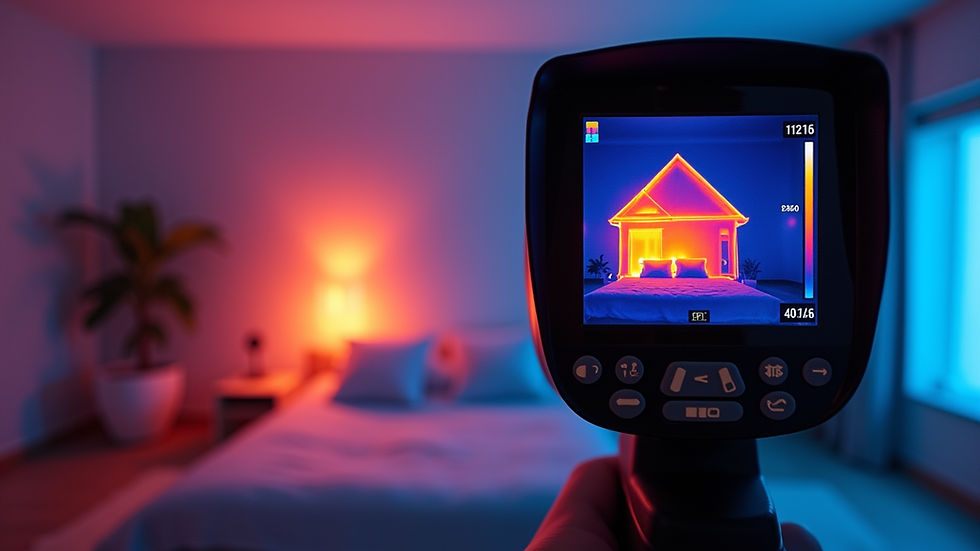
Thermal imaging cameras detect infrared radiation emitted by objects and convert it into a visual image called a thermogram. The thermogram displays temperature differences using a color gradient, where warmer areas might appear red or yellow, and cooler areas show up as blue or purple. This visual representation helps inspectors identify anomalies that indicate potential problems.
For example, a cold spot on a wall might suggest missing insulation or water damage, while a hot spot near electrical wiring could indicate an overloaded circuit or faulty connection. Thermal imaging is non-invasive, meaning inspectors can scan walls, ceilings, floors, and electrical panels without causing any damage to the property.
The process is quick and efficient. Inspectors typically perform a walkthrough with the thermal camera, focusing on areas prone to issues such as basements, attics, plumbing, and HVAC systems. The images captured are then analyzed to pinpoint concerns that require further investigation or immediate repair.
Benefits of Thermal Imaging in Inspections
Incorporating thermal imaging into home inspections offers numerous advantages:
Early Detection of Problems: Thermal imaging can reveal hidden issues before they become visible or cause significant damage. This early detection helps prevent costly repairs.
Non-Destructive Testing: Unlike traditional methods that may require drilling or removing parts of walls, thermal imaging is completely non-invasive.
Improved Accuracy: Inspectors can identify exact locations of problems, reducing guesswork and increasing the reliability of the inspection report.
Energy Efficiency Assessment: Thermal imaging highlights areas where heat is escaping, helping homeowners improve insulation and reduce energy bills.
Safety Assurance: Detecting electrical faults or overheating components can prevent fire hazards and ensure the safety of occupants.
For homeowners, these benefits translate into peace of mind and better investment protection. For inspectors, thermal imaging enhances their service quality and reputation.
Is a Thermal Inspection Worth It?
Many homeowners and buyers wonder if investing in a thermal inspection is justified. The answer depends on several factors, but in most cases, the benefits outweigh the costs.
Consider these points:
Cost vs. Savings: While thermal imaging inspections may cost more than standard inspections, they can save thousands by identifying issues early.
Property Age and Condition: Older homes or those with a history of water damage, electrical problems, or poor insulation benefit greatly from thermal imaging.
Climate Considerations: In regions with extreme temperatures, thermal imaging helps assess insulation effectiveness and detect moisture problems caused by condensation.
Peace of Mind: Knowing the true condition of a property reduces stress and uncertainty during a purchase or maintenance process.
For example, a buyer inspecting a century-old home might discover hidden water leaks behind walls or faulty wiring that could pose safety risks. Addressing these issues before closing the deal can prevent future headaches.
Ultimately, a thermal imaging inspection is a valuable tool that complements traditional methods, providing a more complete picture of a home’s health.

Practical Applications of Thermal Imaging in Home Inspections
Thermal imaging is versatile and can be applied to various aspects of a home inspection:
Moisture Detection: Water leaks and dampness cause temperature differences that thermal cameras can detect. This is especially useful in basements, roofs, and around plumbing fixtures.
Electrical System Checks: Overheated wires, breakers, and connections show up as hot spots, allowing inspectors to identify potential fire hazards.
HVAC System Evaluation: Inspectors can assess the efficiency of heating and cooling systems by detecting leaks or blockages in ducts.
Insulation Assessment: Thermal imaging reveals gaps or compressed insulation, helping homeowners improve energy efficiency.
Structural Integrity: Temperature anomalies can indicate missing or damaged building materials, such as studs or drywall.
Homeowners can use these insights to prioritize repairs, improve safety, and enhance comfort. For example, sealing air leaks identified through thermal imaging can reduce heating costs during cold Canadian winters.
Choosing a Professional Thermal Imaging Inspection Service
To get the most out of thermal imaging technology, it is essential to hire a qualified and experienced professional. Here are some tips for selecting the right service:
Certification and Training: Look for inspectors certified in infrared thermography, such as those with Level 1 or Level 2 certification from recognized organizations.
Experience: Choose inspectors with a proven track record in residential thermal imaging inspections.
Equipment Quality: Ensure the inspector uses high-resolution thermal cameras capable of detecting subtle temperature differences.
Comprehensive Reporting: The inspection report should include clear thermograms, detailed explanations, and actionable recommendations.
Customer Reviews: Check testimonials and reviews to gauge customer satisfaction and reliability.
By selecting a reputable service, homeowners can trust the accuracy and usefulness of the thermal imaging inspection.
For those interested, a thermal imaging inspection can be a game-changer in understanding a home’s condition.
Embracing the Future of Home Inspections
Thermal imaging is no longer a luxury but a necessity in modern home inspections. As technology advances and becomes more accessible, it is expected to become a standard part of the inspection process.
Homeowners and buyers who embrace this technology gain a competitive edge by uncovering hidden issues and making smarter decisions. Additionally, thermal imaging supports sustainable living by promoting energy efficiency and reducing waste.
In the future, integration with drones and artificial intelligence may further enhance the capabilities of thermal imaging, making inspections faster, safer, and more accurate.
Investing in thermal imaging today means protecting your home and your investment for years to come.


Comments