


Home Inspections: A Canadian Perspective on Canadian Property Inspection

Buying or owning a home in Canada comes with its own set of challenges and responsibilities. One of the most important steps in protecting your investment is a thorough home inspection. Whether you are purchasing a new property, maintaining your current one, or navigating insurance claims, understanding the ins and outs of Canadian property inspection can save you time, money, and stress. Let me walk you through what you need to know from a practical, Canadian perspective.
Why Canadian Property Inspection Matters
When you think about buying a home, the price and location often take center stage. But what about the condition of the property? A home inspection is your chance to uncover hidden issues before they become costly problems. In Canada, where weather conditions can be harsh and vary widely from coast to coast, inspections are especially crucial.
For example, homes in Winnipeg face different risks than those in Vancouver. Winnipeg’s cold winters can cause foundation cracks or frozen pipes, while Vancouver’s damp climate might lead to mold or wood rot. A Canadian property inspection helps identify these region-specific concerns early.
Getting a professional inspection also gives you peace of mind. It’s not just about finding faults but understanding the overall health of the home. This knowledge empowers you to negotiate repairs or price adjustments confidently. Plus, it helps you plan future maintenance to keep your home safe and comfortable.
How to Choose the Right Home Inspector in Canada
Finding a qualified home inspector is key to a successful inspection. Not all inspectors are created equal, and the quality of their work can vary widely. Here are some tips to help you pick the right professional:
Look for certification: In Canada, many provinces require home inspectors to be licensed or certified by recognized organizations. Check for credentials like the Canadian Association of Home and Property Inspectors (CAHPI).
Ask about experience: A seasoned inspector will have a better eye for common issues in your area. Don’t hesitate to ask how many inspections they have completed.
Read reviews: Online reviews and testimonials can give you insight into the inspector’s reliability and thoroughness.
Request a sample report: A detailed, easy-to-understand report is essential. Ask for a sample to see how they document their findings.
Discuss the scope: Make sure the inspector covers all the key areas you care about, such as roofing, plumbing, electrical systems, and insulation.
Remember, a good inspector will also take the time to explain their findings and answer your questions. This interaction is just as important as the written report.
What is included in a home inspection in Canada?
A typical Canadian home inspection covers a wide range of components to give you a comprehensive picture of the property’s condition. Here’s what you can expect:
Structural Elements: Inspectors check the foundation, walls, floors, ceilings, and roof structure for signs of damage or instability.
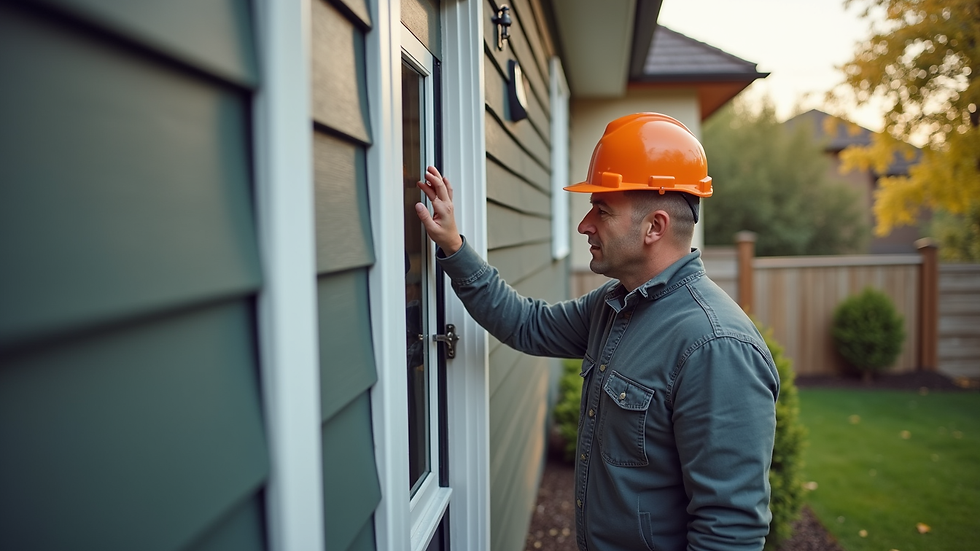
Exterior: This includes siding, windows, doors, gutters, and drainage systems. They look for cracks, leaks, or wear that could lead to water damage.
Roofing: The condition of shingles, flashing, vents, and chimneys is assessed to ensure the roof is sound and weatherproof.
Plumbing: Inspectors test water pressure, check for leaks, and examine pipes, fixtures, and water heaters.
Electrical Systems: They verify the safety and functionality of wiring, outlets, panels, and circuit breakers.
Heating and Cooling: The HVAC system is evaluated for efficiency and safety.
Interior: Walls, ceilings, floors, doors, and windows are checked for damage or defects.
Insulation and Ventilation: Proper insulation and ventilation are crucial in Canadian climates to prevent moisture buildup and energy loss.
Basement and Crawl Spaces: These areas are inspected for moisture, mold, and structural issues.
Keep in mind that a standard home inspection is a visual, non-invasive examination. It does not include testing for pests, radon, or asbestos unless specifically requested.

How to Prepare for Your Home Inspection
Preparation can make the inspection process smoother and more effective. Here are some practical steps to take before the inspector arrives:
Clean and clear access: Make sure the inspector can easily access the basement, attic, furnace, electrical panel, and exterior areas.
Provide documentation: If you have any maintenance records or previous inspection reports, share them with the inspector.
List your concerns: Write down any specific issues or questions you want the inspector to address.
Be present if possible: Attending the inspection allows you to see problems firsthand and get immediate answers.
Plan for about 2-4 hours: Depending on the size and age of the home, inspections can take some time.
By being prepared, you help the inspector do a thorough job and get the most value from the inspection.
What to Do After the Inspection
Once you receive the inspection report, it’s time to take action. Here’s a simple plan to follow:
Review the report carefully: Look for major issues that could affect safety or require urgent repairs.
Ask questions: If anything is unclear, don’t hesitate to contact the inspector for clarification.
Get repair estimates: For significant problems, obtain quotes from qualified contractors.
Negotiate with the seller: Use the inspection findings to discuss repairs or price adjustments.
Plan maintenance: Even if the home is in good shape, create a schedule for regular upkeep based on the inspector’s recommendations.
Remember, a home inspection is a tool to help you make informed decisions. It’s not about finding reasons to back out but about understanding what you’re getting into.
Why Trust Matters in Canadian Home Inspections
In Canada, the home inspection industry is evolving, but trust remains the foundation. You want an inspector who is independent, unbiased, and focused on your best interests. This is especially important when dealing with insurance claims or risk assessments.
A trusted inspection can help avoid costly disputes by providing clear, factual information. It supports confident decision-making whether you are buying, selling, or managing a property. That’s why working with reputable professionals who understand local conditions and regulations is so valuable.
If you want to learn more about how to find reliable services, you can explore resources like home inspection canada for guidance and certified inspectors.
Taking Control of Your Property’s Future
Owning or buying a home in Canada is a big step. A thorough Canadian property inspection is your best defense against surprises and unexpected expenses. It equips you with the knowledge to protect your investment and maintain a safe, comfortable living environment.
By understanding what to expect, choosing the right inspector, and acting on the findings, you take control of your property’s future. Whether you’re in Winnipeg, Toronto, or anywhere else in Canada, a good inspection is a smart move.
So, next time you’re involved in a property transaction or need to assess your home’s condition, remember the value of a professional inspection. It’s not just a formality - it’s a vital part of responsible homeownership.
Thank you for reading this guide on Canadian property inspection. I hope it helps you feel more confident and prepared for your next home inspection journey.


Comments