


Why Protecting Your Property is More Important Than Ever

In today’s world, safeguarding your property has become a critical priority. Whether it’s your home, business, or investment property, the risks of damage, theft, and natural disasters are increasing. Taking proactive steps to protect your property not only preserves its value but also provides peace of mind. This article explores why property protection is more important than ever and offers practical advice to help you secure your assets effectively.
The Growing Importance of Property Protection
Property protection is no longer just about locking doors and windows. With rising crime rates, unpredictable weather patterns, and increasing property values, the stakes are higher. Protecting your property means more than just preventing theft; it involves safeguarding against fire, water damage, vandalism, and structural issues.
For example, consider the impact of severe weather events such as floods or storms. These can cause extensive damage to buildings and belongings, leading to costly repairs. Investing in property protection measures like reinforced doors, security systems, and proper maintenance can significantly reduce these risks.
Key reasons to prioritize property protection:
Increasing crime rates: Burglary and vandalism are on the rise in many areas.
Climate change: More frequent and severe weather events threaten property integrity.
Rising property values: Protecting your investment ensures long-term financial security.
Insurance benefits: Well-protected properties often qualify for lower insurance premiums.

Practical Property Protection Strategies You Can Implement Today
Protecting your property requires a combination of physical security, maintenance, and smart technology. Here are some actionable steps you can take:
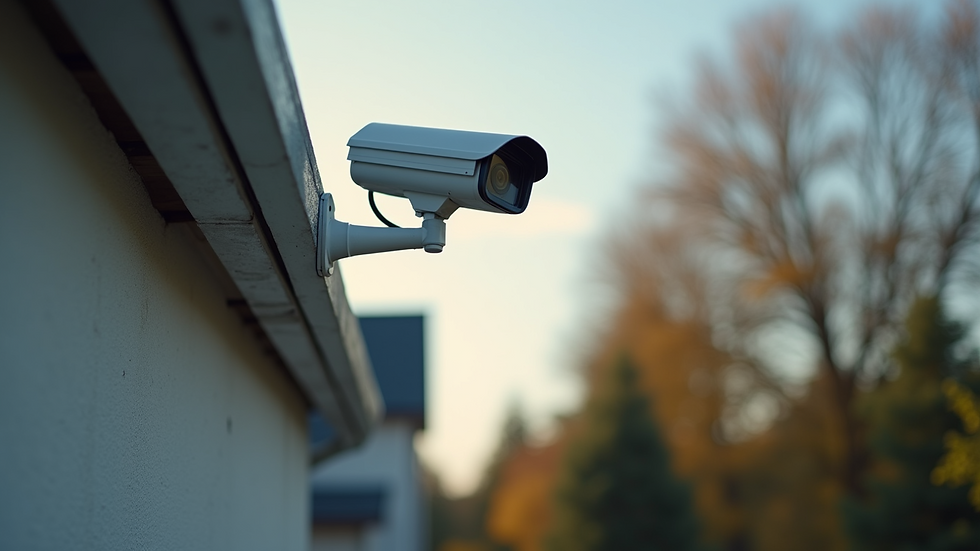
Install a security system: Modern alarm systems with cameras and motion detectors deter intruders and alert you to suspicious activity.
Use quality locks and reinforcements: Secure all entry points with deadbolts, window locks, and reinforced doors.
Maintain your property regularly: Check for leaks, cracks, and other vulnerabilities that could lead to damage.
Invest in weatherproofing: Seal windows and doors, and ensure your roof is in good condition to prevent water damage.
Use outdoor lighting: Motion-activated lights can discourage trespassers and improve visibility.
Create a neighborhood watch: Collaborate with neighbors to keep an eye on each other’s properties.
By combining these strategies, you create multiple layers of protection that make your property less attractive to criminals and more resilient to environmental threats.
Is it roofs or rooves?
When discussing property protection, especially in relation to the top covering of a building, you might wonder about the correct plural form of "roof." The standard and widely accepted plural is "roofs."
The term "rooves" is considered archaic and is rarely used in modern English. Most dictionaries and style guides recommend using "roofs" when referring to more than one roof. For example:
Correct: The roofs of the houses were damaged in the storm.
Incorrect: The rooves of the houses were damaged in the storm.
Understanding this distinction is important for clear communication, especially when discussing property maintenance and protection.

The Role of Insurance in Property Protection
Insurance is a vital component of property protection. While physical measures reduce risks, insurance provides financial security if damage or loss occurs. Here’s how to make the most of your property insurance:
Choose the right coverage: Ensure your policy covers common risks such as fire, theft, flood, and natural disasters.
Keep an updated inventory: Document your belongings with photos and receipts to simplify claims.
Review your policy regularly: Update coverage as your property value or contents change.
Understand deductibles and limits: Know what you’re responsible for paying out of pocket.
Insurance is not a substitute for physical protection but a complementary safeguard. Combining both approaches offers the best defense against unexpected events.
Future-Proofing Your Property: Smart Technologies and Sustainable Practices
Looking ahead, property protection is evolving with technology and sustainability trends. Smart home devices allow you to monitor and control security systems remotely, receive alerts, and even automate lighting and locks. These innovations enhance convenience and security.
Sustainable building practices also contribute to long-term protection. Using durable, eco-friendly materials and energy-efficient designs can reduce maintenance costs and improve resilience against environmental challenges.
Consider these future-proofing tips:
Install smart locks and cameras with mobile app integration.
Use solar panels and energy-efficient insulation.
Choose materials resistant to mold, pests, and weather damage.
Implement rainwater harvesting and proper drainage systems.
By embracing these technologies and practices, you not only protect your property but also increase its value and reduce environmental impact.
Protecting your property is a multifaceted effort that requires awareness, planning, and action. From securing entry points to maintaining your roof and investing in insurance, every step counts. As risks continue to evolve, staying informed and proactive ensures your property remains safe and valuable for years to come.


Comments